
Bone Grafting in Mesquite, TX

Rebuild Your Jawbone for a Stronger, Healthier Smile
Bone loss in the jaw can make it difficult to replace missing teeth or maintain long-term oral health. At Mesquite Dental & Implant Center, we provide advanced bone grafting in Mesquite, TX to rebuild lost bone and create a stable foundation for future dental treatment, including dental implants.
Whether bone loss is caused by missing teeth, gum disease, injury, or tooth extraction, Dr. George uses proven grafting techniques to restore bone volume and improve your eligibility for restorative procedures.
As a private, family-owned practice, we combine personalized care with advanced technology, including Cone Beam CT imaging, digital treatment planning, and modern surgical techniques to deliver predictable, long-lasting results.
If you've been told you don't have enough bone for dental implants, bone grafting may make treatment possible.
What Is Bone Grafting?
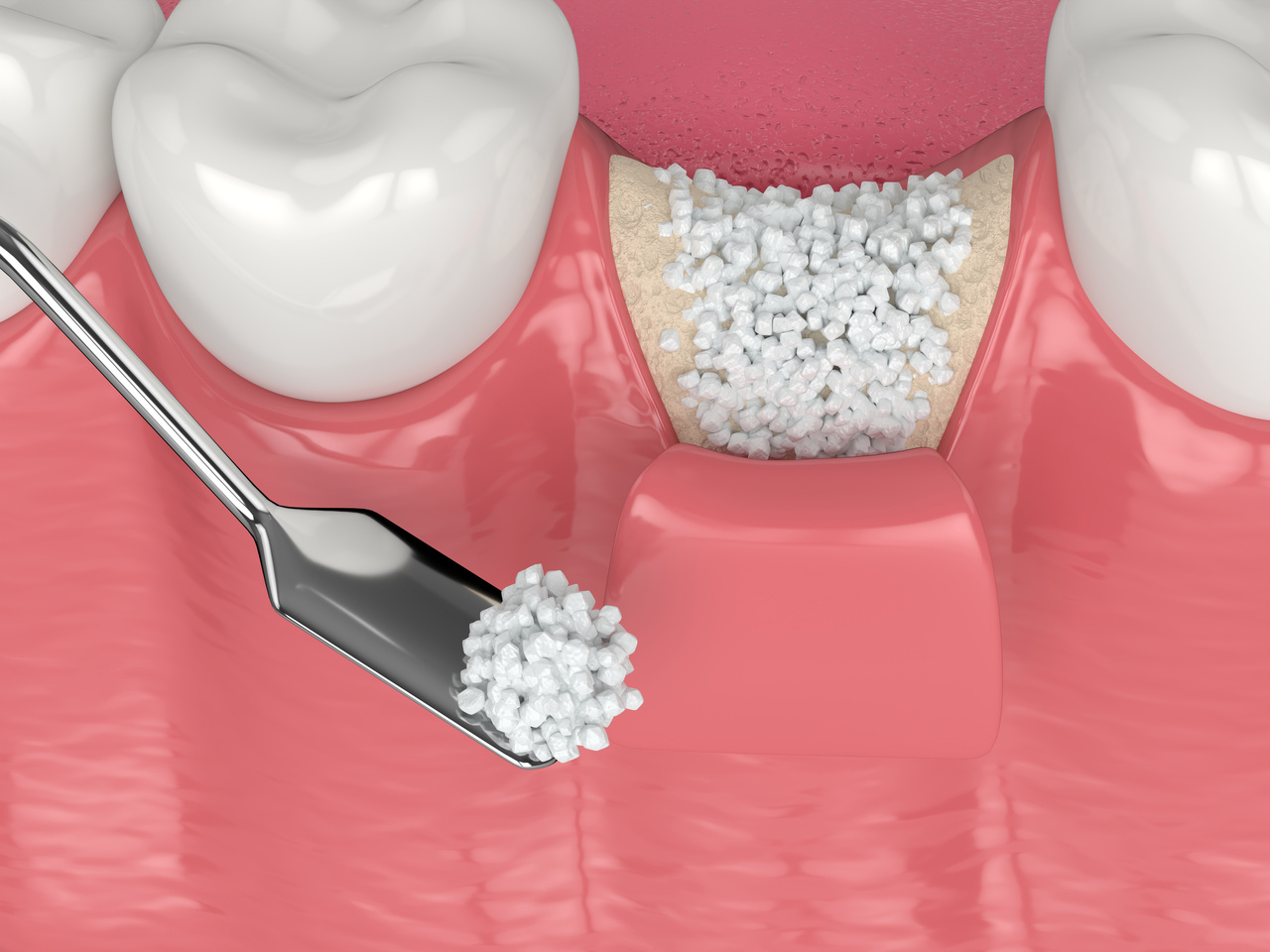
Bone grafting is a surgical procedure that rebuilds areas of the jaw where bone has been lost. The grafting material encourages your body to produce new bone, creating a stronger foundation for future dental treatment.
Bone grafting is commonly recommended before placing Dental Implants when there isn't enough healthy bone to securely support the implant.
Bone grafting may also be performed after a tooth extraction to help preserve the jawbone and reduce future bone loss.
Why Might You Need Bone Grafting?
Bone loss often occurs gradually and may not be noticeable until it begins affecting your oral health or treatment options.
Dr. George may recommend bone grafting if you have:
Bone Loss After Tooth Loss
When a tooth is missing, the surrounding jawbone no longer receives stimulation from the tooth root. Over time, the bone begins to shrink.
Preparing for Dental Implants
Dental implants require adequate bone support for long-term stability. Bone grafting can rebuild the jaw to improve implant success.
Patients considering implant treatment can learn more about our Dental Implant Services.
Following a Tooth Extraction
Bone grafting may be placed immediately after an extraction to preserve the shape of the jaw and minimize future bone loss.
If a tooth cannot be saved, our Extraction Services can often be combined with socket preservation bone grafting.
Periodontal Disease
Advanced gum disease can destroy the bone supporting your teeth. Bone grafting may help restore lost bone in certain situations.
Facial Bone Changes
Significant bone loss can change facial appearance over time, creating a sunken or aged look. Rebuilding the jaw helps support your facial structure.
Benefits of Bone Grafting
Bone grafting offers both functional and long-term oral health benefits.
Restores Bone Volume
Bone grafting rebuilds areas where bone has been lost, creating a stronger and healthier jaw.
Supports Dental Implants
A healthy jawbone provides the stability needed for successful dental implant placement.
Preserves Facial Structure
Maintaining jawbone volume helps support your facial features and reduces premature aging caused by bone loss.
Prevents Future Bone Loss
Early bone grafting can help preserve the jaw after tooth loss or extraction.
Expands Treatment Options
Many patients who were previously told they were not candidates for dental implants may qualify after bone grafting.
Why Choose Mesquite Dental & Implant Center?
Choosing an experienced provider is essential for successful bone grafting treatment.
Experienced Implant and Restorative Dentist
Dr. George has over 20 years of experience providing advanced restorative and implant dentistry.
His expertise includes:
- Bone Grafting
- Dental Implants
- Tooth Extractions
- Dentures
- Full Mouth Rehabilitation
- Cosmetic Dentistry
Advanced Technology
Our office uses advanced technology to improve diagnosis and treatment planning, including:
- Cone Beam CT imaging
- Dynamic navigation technology
- Digital intraoral scanning
- 3D treatment planning
These technologies allow us to evaluate your bone structure with exceptional accuracy before treatment begins.
Personalized Care
Unlike large corporate practices, every patient receives one-on-one attention from Dr. George throughout treatment. We take time to explain your options, answer your questions, and develop a treatment plan tailored to your needs.
Are You a Candidate for Bone Grafting?
Many patients experiencing bone loss can benefit from bone grafting.
You may be a good candidate if you:
- Have been missing teeth for an extended period
- Have been told you lack sufficient bone for dental implants
- Recently had or need a tooth extraction
- Have experienced bone loss due to gum disease
- Want to improve your eligibility for implant treatment
During your consultation, Dr. George will perform a comprehensive examination using Cone Beam CT imaging to evaluate your jawbone and determine whether bone grafting is appropriate.
The Bone Grafting Procedure
Comprehensive Consultation
Your visit begins with a detailed examination and 3D Cone Beam CT scan to evaluate bone volume and overall oral health.
Customized Treatment Planning
Using advanced digital imaging, Dr. George develops a personalized treatment plan based on your specific needs and future restorative goals.
Bone Graft Placement
The grafting material is carefully placed in the area of bone loss to encourage your body's natural healing process and promote new bone formation.
Healing and Bone Regeneration
Over the following months, the graft integrates with your natural bone, creating a stable foundation for future treatment such as dental implants.
For patients who experience dental anxiety, we also offer IV Sedation and Oral Sedation to help make treatment more comfortable.
How Long Does It Take to Recover from Bone Grafting?
Recovery varies depending on the size of the graft and your overall oral health. Most patients experience mild swelling and discomfort for a few days, which can usually be managed with prescribed or over-the-counter medications.
While the initial healing period typically takes one to two weeks, the graft itself needs time to integrate with your natural bone. In most cases, complete bone regeneration takes three to six months before dental implants can be placed.
Dr. George will monitor your healing closely and determine the ideal time to move forward with the next stage of treatment.
How Much Does Bone Grafting Cost?
The cost of bone grafting depends on the extent of bone loss and the type of graft required.
Factors that may affect treatment costs include:
- Size of the graft
- Location of the treatment area
- Whether the graft is performed with a tooth extraction
- Future dental implant treatment
- Insurance coverage
During your consultation, we'll provide a personalized treatment plan and explain all associated costs before treatment begins.
To make care more affordable, we offer:
- CareCredit financing
- 0% interest financing options
- Dental Saver Plan for patients without insurance
Risks and Limitations of Bone Grafting
Bone grafting is a predictable procedure with a high success rate, but every surgical treatment carries some risk.
Potential considerations include:
- Temporary swelling or discomfort
- Minor bleeding
- Infection
- Delayed healing
- Graft failure in rare cases
Following your post-operative instructions and attending follow-up visits helps promote proper healing and successful outcomes.
Bone Grafting vs. No Treatment
Choosing not to replace lost bone can limit your future treatment options and contribute to ongoing bone loss.
Bone Grafting
- Restores lost jawbone
- Improves dental implant success
- Preserves facial structure
- Supports long-term oral health
No Treatment
Without treatment, bone loss typically continues over time. This can make dental implants more difficult, affect neighboring teeth, and alter the appearance of your face.
Early treatment often provides the best long-term results.
Caring for Your Bone Graft
Proper aftercare plays an important role in successful healing.
We recommend:
- Following all post-operative instructions
- Eating soft foods during the initial healing period
- Avoiding smoking or tobacco products
- Maintaining good oral hygiene
- Attending scheduled follow-up appointments
Routine Dental Cleanings & Exams also help maintain your long-term oral health before and after implant treatment.
Serving Mesquite and Nearby Communities
Mesquite Dental & Implant Center proudly provides bone grafting for patients throughout:
- Mesquite
- Garland
- Sunnyvale
- Balch Springs
- Forney
- East Dallas
- The Dallas–Fort Worth Metroplex
Conveniently located at:
2040 N Belt Line Rd STE 300
Mesquite, TX 75150
Whether you're preparing for dental implants or restoring bone lost due to tooth loss or gum disease, our experienced team is here to help you achieve a healthier smile.
Frequently Asked Questions
How painful is bone grafting?
Bone grafting is typically performed under local anesthesia, and sedation options are available for patients with dental anxiety. Most patients experience mild soreness and swelling for a few days, which can usually be managed with medication and ice packs.
What is the downside of a bone graft?
Bone grafting requires a healing period before additional treatment, such as dental implants, can be completed. As with any surgical procedure, there is a small risk of infection or delayed healing, but complications are uncommon when post-operative instructions are followed.
How long will a bone graft last?
Once the graft has successfully integrated with your natural bone, the results can last for many years. Maintaining good oral hygiene and replacing missing teeth promptly with dental implants can help preserve the regenerated bone.
Is a bone graft a big surgery?
Most dental bone grafting procedures are considered minor oral surgeries and are completed in our office. The complexity depends on the size and location of the graft, but many patients return to normal daily activities within a day or two.
How long does it take to recover from bone grafting?
Initial recovery usually takes one to two weeks, while the graft typically requires three to six months to fully integrate with the jawbone before implant placement.
When is it too late for bone grafting?
It's rarely too late for bone grafting. Even patients who have experienced significant bone loss may still be candidates for treatment. During your consultation, Dr. George will evaluate your jaw using Cone Beam CT imaging and recommend the most appropriate treatment plan.
Hear from Our Happy Patients
Our patients' experiences and testimonials speak volumes about the care and results that we provide:
As a new patient, I was extremely impressed with the professionalism and service provided by Dr George and the staff. It was the best experience I’ve ever had for a dental visit. I highly recommend them for all of your dental needs! - Bobby Jeans
Schedule Your Bone Grafting Consultation Today
If you've been told you don't have enough bone for dental implants or want to restore lost jawbone after tooth loss, bone grafting may be the first step toward rebuilding your smile.
At Mesquite Dental & Implant Center, Dr. George combines advanced technology, extensive experience, and personalized care to help patients restore healthy bone and prepare for long-term tooth replacement.
Mesquite Dental & Implant Center
2040 N Belt Line Rd STE 300
Mesquite, TX 75150